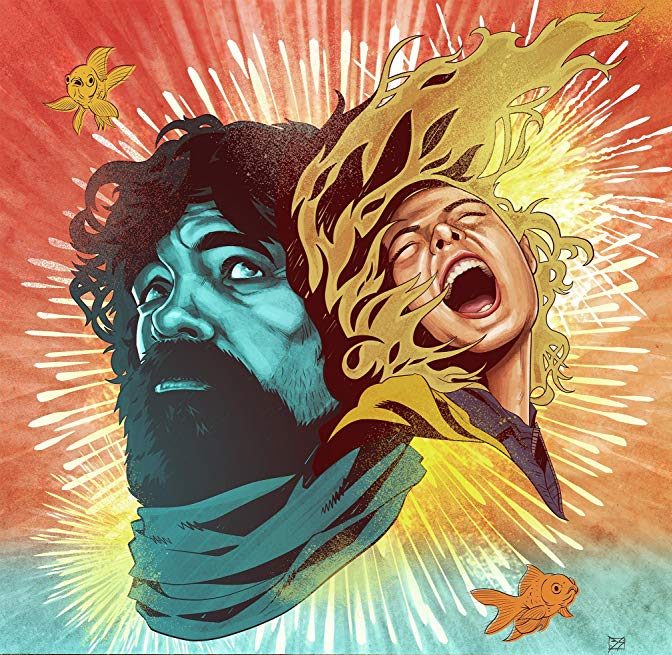
Anytime I discover a Peter Dinklage movie I haven’t seen, I jump at the chance to watch it. Outside of Elf, my first real exposure to him was through Game of Thrones and his portrayal of the complex character Tyrion Lannister. Dinklage has made a name for himself, and for good reason: I believe him to be one of the best actors of our time.
I was surprised I hadn’t heard of this post apocalyptic character study. It’s worth noting that Elle Fanning, known most in my home for her portrayal of Queen Catherine in The Great, is the other lead in this film and I was equally excited to see her in a new light.
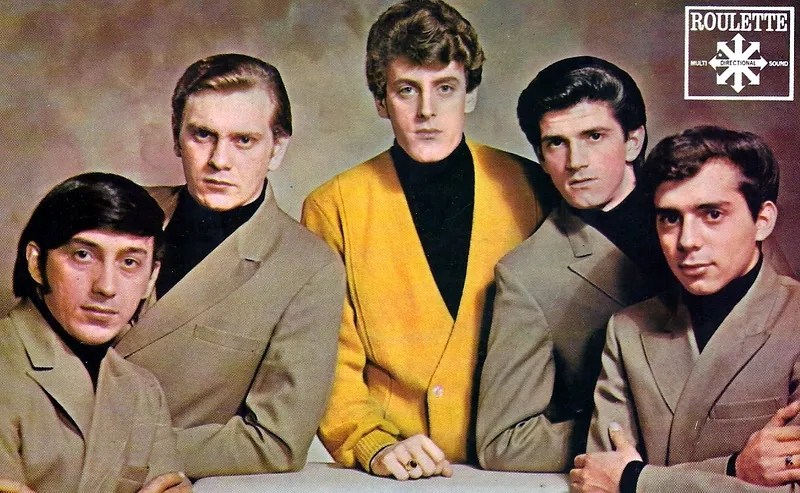
Now, my biggest surprise was that not ONCE in the movie did they play the song “I Think We’re Alone Now,” originally written by Ritchie Cordell and recorded by Tommy James and the Shondells in 1967, but known more to my generation for Tiffany’s cover 20 years later. I’m curious about the origin of the movie title, as I have to say I was really expecting to hear someone’s rendition of the song at least once 🤣

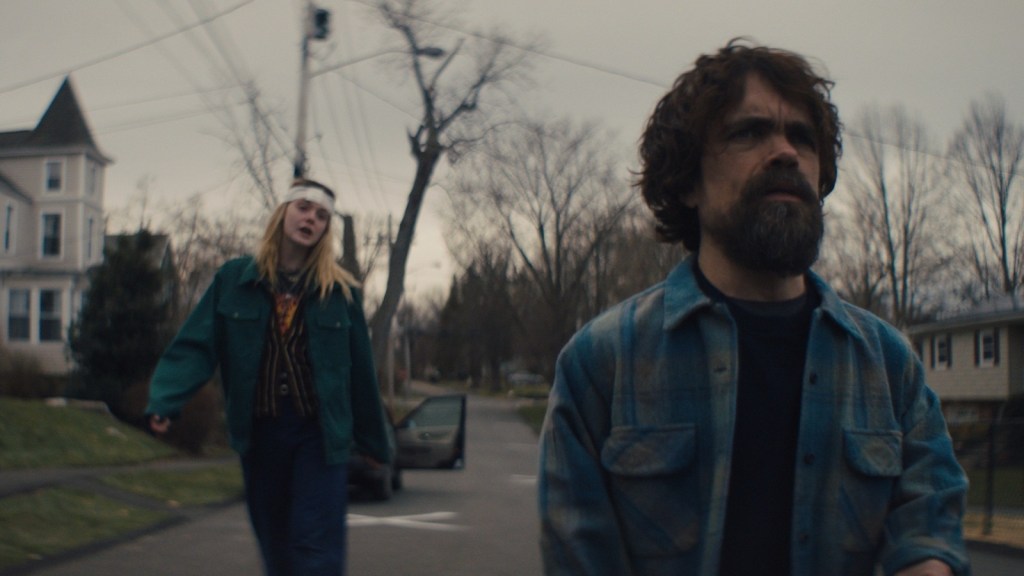
All that out of the way, I Think We’re Alone Now is a very unique post-apocalypse story. Dinklage portrays Del, a reclusive librarian who has made himself a comfortable life in the aftermath of a plague that wiped out his entire small town and, maybe, the globe. Interestingly, part of his daily routine outside of fishing, candlelit dinners, and work at the library is cleaning the homes of the dead and burying their bodies. His process is organized and methodical, as is his daily life.
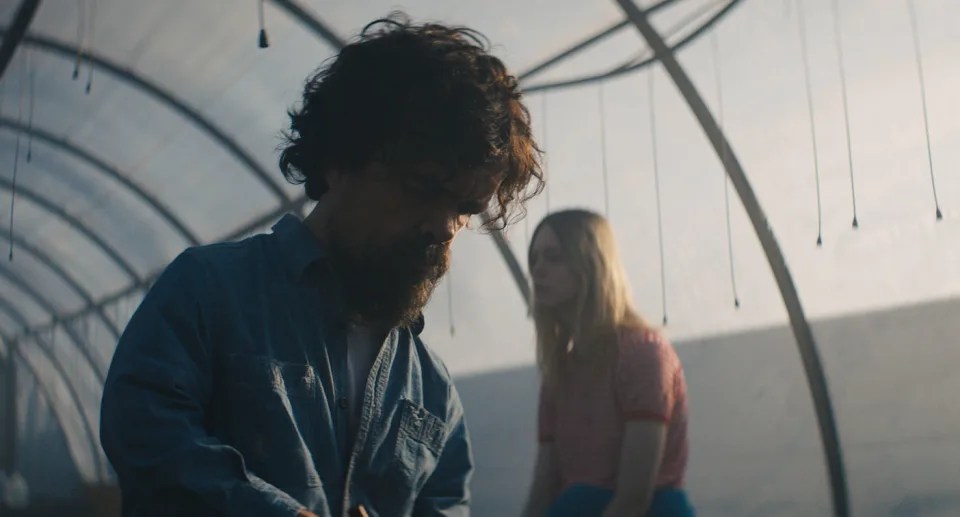
Grace, portrayed by Elle Fanning, is a chaotic young survivor who stumbles into his town and quickly upsets his rhythm. She’s free spirited and chatty by nature, which Del initially hates but grows to love. He is so surprised to find another survivor, yet doesn’t want to change his daily life. Grace forces him to do just that, asking him the hard questions and pushing his boundaries with the goal of collective healing.
I Think We’re Alone Now explores the trauma of surviving an apocalyptic plague through the eyes of two very different individuals – one who disliked the general population to begin with and has crafted his own utopia without them, and one who desperately misses the way things were before.
Leaving this movie as a character study would have made it stand out more, but in true post-apocalyptic fashion they threw in a poorly executed twist involving Grace’s recent past. Science lovers will critique the lack of explanations, both of the plague and the medical technology explored at the end of the movie.
The twist shows Del’s character growth, while casting a strange shadow on Grace’s past and their relationship. Personally I think this could have been accomplished in another way, leading to a more genuine feeling climax and resolution.
Ultimately, I loved the first ⅔ or ¾ of the movie. I think it is a unique premise, explored with genuine talent from Fanning and Dinklage. Both leads were real in their roles, working together with a notable onscreen chemistry. The characters’ trauma shaped the people they had become, and both actors did a magnificent job showcasing the spectrum of human emotion.
Basing my rating of the movie off the first ⅔ alone, I would give I Think We’re Alone Now a solid 10/10. However, the twist at the end, despite featuring the talents of Paul Giamatti and Charlotte Gainsbourg, brings my overall rating down to a 7 1/2. It felt rushed, sloppy, and lacked much of the raw emotion and gentle comfort permeating the rest of the film.
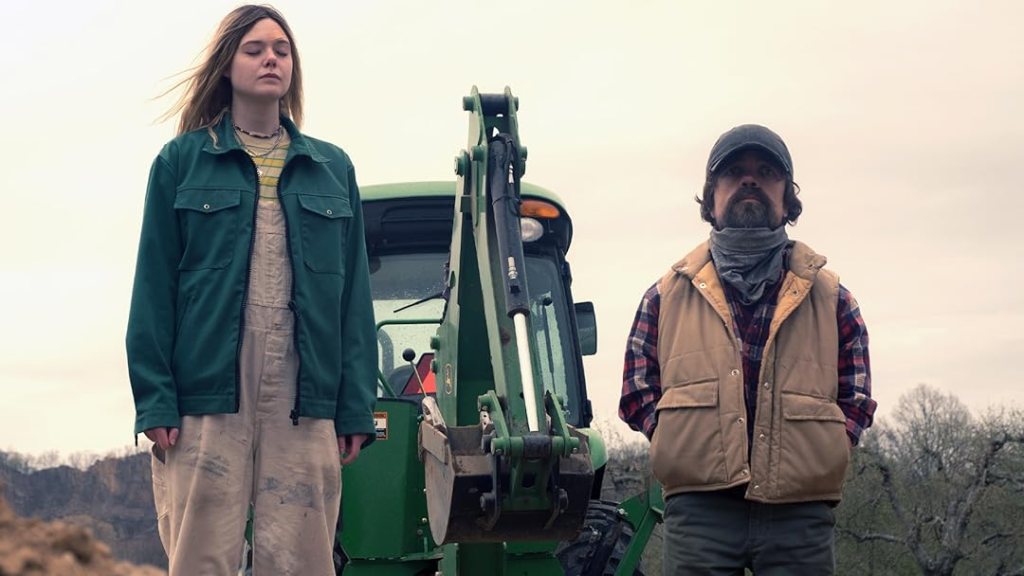
I Think We’re Alone Now is available to stream on Prime Video, Tubi, and the Roku Channel.
 The Midnight Review